We develop every recipe in house, from scratch. The flavor comes from layering: each ingredient adds something the others can't, and together they make the bowl.
↓

Apple
A Chinese technique. Melts into the simmer, adding a natural sweetness that balances the savory without announcing itself.
Apple
A Chinese technique. Melts into the simmer, adding a natural sweetness that balances the savory without announcing itself.

Carrot
Subtle sweetness and color. Carrot softens the broth's edges and deepens the base without adding weight.
Carrot
Subtle sweetness and color. Carrot softens the broth's edges and deepens the base without adding weight.

Hawthorn Berry
The natural acids in hawthorn tenderize the meat from the inside out, and add a faint tartness that keeps the broth from being heavy.
Hawthorn Berry
The natural acids in hawthorn tenderize the meat from the inside out, and add a faint tartness that keeps the broth from being heavy.
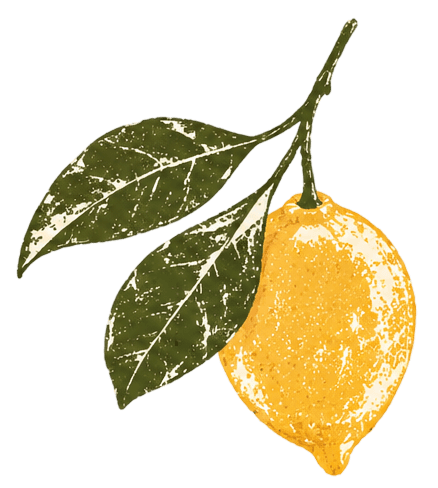
Lemon
Where vinegar adds a sharpness, lemon adds a clean citrus lift that keeps the spice layer from getting too heavy.
Lemon
Where vinegar adds a sharpness, lemon adds a clean citrus lift that keeps the spice layer from getting too heavy.
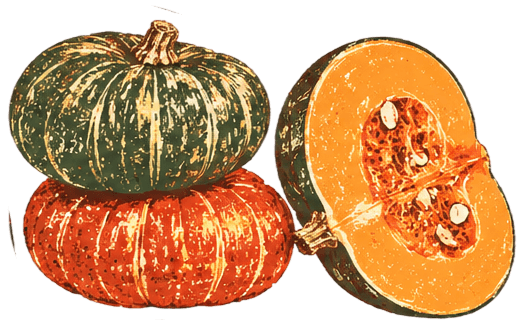
Pumpkin
Doesn't taste like pumpkin. It dissolves into the broth, rounding out the richness and adding body you feel more than taste.
Pumpkin
Doesn't taste like pumpkin. It dissolves into the broth, rounding out the richness and adding body you feel more than taste.

Radish
Absorbs surrounding flavors as it simmers, adding a mild, clean sweetness that cuts through richness of the broth.
Radish
Absorbs surrounding flavors as it simmers, adding a mild, clean sweetness that cuts through richness of the broth.

Tomato
The load-bearer. A perfect formula of tang and sweetness that make the broth craveable in a completely unexpected way.
Tomato
The load-bearer. A perfect formula of tang and sweetness that make the broth craveable in a completely unexpected way.

Vinegar
The quiet sharpener. Even the tiniest amount cuts through richness and keeps every sip tasting like the first one.
Vinegar
The quiet sharpener. Even the tiniest amount cuts through richness and keeps every sip tasting like the first one.

Angelica Roots
A traditional Chinese medicinal herb used in broths for centuries. Adds a faint, distinctive herbal note that's makes a good braise.
Angelica Roots
A traditional Chinese medicinal herb used in broths for centuries. Adds a faint, distinctive herbal note that's makes a good braise.

Bay Leaf
A background player that ties the aromatics together. Adds a subtle herbal quality that makes a broth feel complete rather than assembled.
Bay Leaf
A background player that ties the aromatics together. Adds a subtle herbal quality that makes a broth feel complete rather than assembled.
Bay Leaf
A background player that ties the aromatics together. Adds a subtle herbal quality that makes a broth feel complete rather than assembled.

Black & White Pepper
Black for sharpness. White for warmth. Used together because neither one does the full job alone.
Black & White Pepper
Black for sharpness. White for warmth. Used together because neither one does the full job alone.
Black & White Pepper
Black for sharpness. White for warmth. Used together because neither one does the full job alone.

Cassia Cinnamon
Not the cinnamon in your grocery store. Cassia is earthier, more savory, a Chinese braising spice that adds warmth and depth without tipping sweet.
Cassia Cinnamon
Not the cinnamon in your grocery store. Cassia is earthier, more savory, a Chinese braising spice that adds warmth and depth without tipping sweet.
Cassia Cinnamon
Not the cinnamon in your grocery store. Cassia is earthier, more savory, a Chinese braising spice that adds warmth and depth without tipping sweet.

Ginger
Used in East Asian cooking for thousands of years. It balances rich meats and add a clean heat that lingers without burning.
Ginger
Used in East Asian cooking for thousands of years. It balances rich meats and add a clean heat that lingers without burning.

Onion
The foundation of every Asian kitchen. They caramelize into the broth, adding sweetness while giving the whole thing somewhere to go.
Onion
The foundation of every Asian kitchen. They caramelize into the broth, adding sweetness while giving the whole thing somewhere to go.
Onion
The foundation of every Asian kitchen. They caramelize into the broth, adding sweetness while giving the whole thing somewhere to go.

Star Anise
One of the five in Chinese five-spice. Warm, slightly sweet, and distict. The scent of a broth that's been cooking since morning.
Star Anise
One of the five in Chinese five-spice. Warm, slightly sweet, and distict. The scent of a broth that's been cooking since morning.
Star Anise
One of the five in Chinese five-spice. Warm, slightly sweet, and distict. The scent of a broth that's been cooking since morning.

Xue Cai
Pickled mustard greens. A classic Sichuan ingredient that adds tang, sharpness, and aliveness.
Xue Cai
Pickled mustard greens. A classic Sichuan ingredient that adds tang, sharpness, and aliveness.
Xue Cai
Pickled mustard greens. A classic Sichuan ingredient that adds tang, sharpness, and aliveness.

Chilli Peppers
The heat behind the má. Chili brings the là (辣), the straightforward burn that works with peppercorns to create the double-hit of our Sichuan bowl.
Chilli Peppers
The heat behind the má. Chili brings the là (辣), the straightforward burn that works with peppercorns to create the double-hit of our Sichuan bowl.

Doubanjiang
Fermented broad bean paste that's complex, savory, and the reason the heat in our Sichuan bowl tastes layered rather than one-note.
Doubanjiang
Fermented broad bean paste that's complex, savory, and the reason the heat in our Sichuan bowl tastes layered rather than one-note.

Red Bean Paste
Fermented. Deeply savory. A staple of Taiwanese cooking that traces back to the same night market stalls that made beef noodle soup Taiwan's national dish.
Red Bean Paste
Fermented. Deeply savory. A staple of Taiwanese cooking that traces back to the same night market stalls that made beef noodle soup Taiwan's national dish.
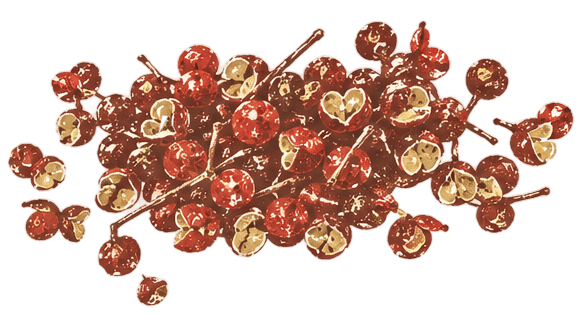
Sichuan Peppercorn
Not just heat. Sichuan peppercorn brings má (麻), a numbing tingle unique to Sichuan cuisine that's been used for centuries to open the palate.
Sichuan Peppercorn
Not just heat. Sichuan peppercorn brings má (麻), a numbing tingle unique to Sichuan cuisine that's been used for centuries to open the palate.

Beef
The frame. Slowly braised beef gives the broth its depth, richness, and unmistakable savory character.
Beef
The frame. Slowly braised beef gives the broth its depth, richness, and unmistakable savory character.

Chicken
The clarity. Mature hens bring a more developed umami than a standard chicken – lifting the broth without weighing it down.
Chicken
The clarity. Mature hens bring a more developed umami than a standard chicken – lifting the broth without weighing it down.

Pork Bone
The roundness. Pork bones simmer into the background, softening the edges and adding a quiet richness that holds everything together.
Pork Bone
The roundness. Pork bones simmer into the background, softening the edges and adding a quiet richness that holds everything together.

Kansui
Kansui is the alkaline mineral that raises dough's PH, giving the noodle its iconic chew, pale yellow color, and the ability to hold up in broth.
Kansui
Kansui is the alkaline mineral that raises dough's PH, giving the noodle its iconic chew, pale yellow color, and the ability to hold up in broth.
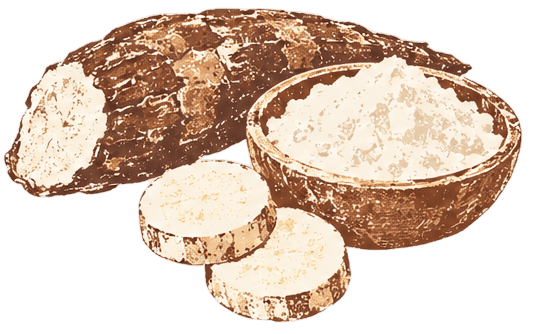
Tapioca Starch
Derived from cassava root. Adds smoothness and flexibility. The reason the noodles feel silky rather than starchy.
Tapioca Starch
Derived from cassava root. Adds smoothness and flexibility. The reason the noodles feel silky rather than starchy.